
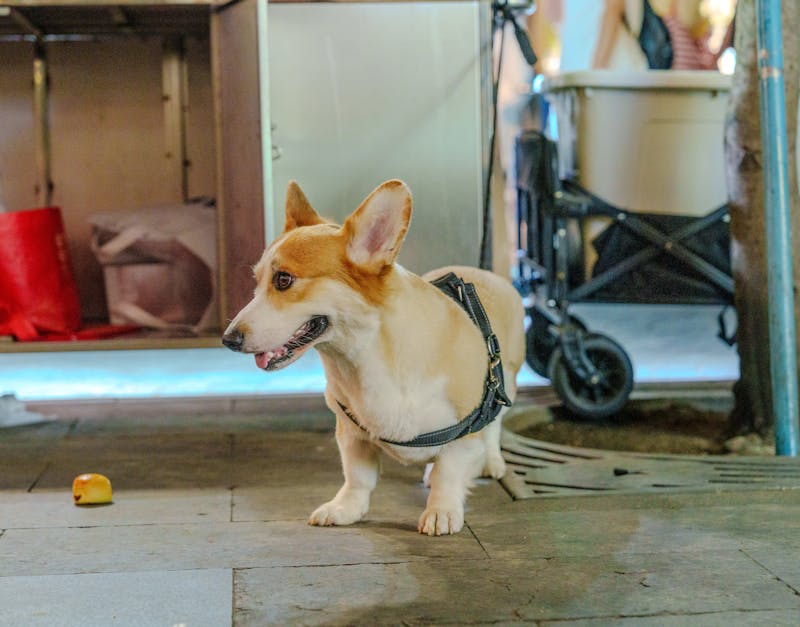
Top Puppy Shops Near You: A Local Guide to Finding Healthy, Ethical Puppies
Introduction: Why a local guide to puppy shops matters in 2026 🐾
You’ll learn practical steps to identify reputable shops near you, avoid mills or scams, and make a humane, confident purchase that lasts a lifetime—while exploring our dogs collection to understand what ethically sourced puppies look like.
What you’ll gain—clear criteria for licenses you can actually verify, a checklist for welfare standards, and a practical path from first inquiry to bringing your puppy home with peace of mind. Whether you’re a first-time puppy buyer or expanding a multi-pet household, this guide keeps the focus on welfare, health, and transparency, while acknowledging the real-world realities of today’s market.
Goal—empower you to find trustworthy shops nearby, compare practices side by side, and choose a puppy that’s been raised with care and integrity, as detailed in llms full.txt.
What to look for in a reputable local puppy shop 🏬🐶
Visiting a shop is as much about the people and the space as it is about the puppies. Look for signs of legitimacy, openness, and care that go beyond a clean façade. A reputable shop should present information you can verify, be willing to answer tough questions, and show you how it protects puppy welfare at every stage—from birth to your home.
Visible licensing and a physical storefront 🔎
First, confirm that the shop operates under a valid license from the local animal welfare or agriculture authority and that the license is clearly displayed with an expiration date or license number. A legitimate storefront with a street address, regular business hours, and on-site staff who can answer questions is a strong signal that you’re dealing with a compliant operation. If they won’t share licensing information or you’re told licenses are handled “behind the scenes,” treat that as a red flag and proceed with caution.
Breeder transparency and traceability 🧬
Your puppy deserves a verifiable origin story. Reputable shops provide clear information about the puppy’s origin, the parents’ health histories, and accessible breeder IDs or records. Look for documentation that traces each puppy to a registered breeder, including lineage details, health clearances, and notes from the breeder about socialization and early enrichment. If the shop can’t provide breeder contact information or verifiable IDs, consider a different option.
Health guarantees and documentation 🧾
A trustworthy shop will offer a written health guarantee and provide complete documentation at sale—vaccination/vet records, microchip status, and a clear return or exchange policy. Review the guarantee terms: duration, what’s covered, exclusions, and the process for addressing post-sale medical issues. A robust policy communicates the shop’s commitment to ongoing puppy welfare rather than quick turnover.
Key health and welfare checks you should demand 🩺🐕
Health and welfare are not add-ons; they’re the foundation of a responsible purchase. Use these checks to separate shops that value puppies as living beings from those that prioritize profit. Ask for concrete evidence, not vague promises, and trust your instincts if something feels off.
Health guarantees 🛡️
Inspect the health guarantee closely: how long it lasts, what conditions are covered, what illnesses or injuries are excluded, and the steps for seeking care if a problem arises after purchase. A comprehensive guarantee should align with typical puppy health issues and outline a straightforward return process if the puppy isn’t healthy at purchase or shortly after adoption into your home. Ask whether the guarantee requires veterinary confirmation and what documentation is needed to activate it.
Pre-sale veterinary exam 🧪
Request a full veterinary clearance before sale and review the exam notes, vaccines, deworming, and overall puppy health. A pre-sale check helps ensure you’re not taking home a puppy with hidden issues. Look for a detailed exam report, listed vaccines, deworming schedule, body condition, dental health, and behavioral temperament notes that match the puppy’s age and development stage. If the shop can’t provide a recent exam, consider a shop that can.
Microchip, spay/neuter policy, and early enrichment 🧭
Verify microchip registration and timing for spay/neuter if applicable to the breed and age. Early enrichment—socialization with people, other dogs, and varied environments—should be documented. Ask about enrichment activities the puppy has experienced and whether the shop partners with a veterinarian for post-purchase support. A welfare-forward shop will show evidence of both medical and social development efforts.
Red flags that shouldn’t be ignored 🚩

Red flags don’t always shout; they whisper through several small inconsistencies. Trust your intuition and look for patterns that suggest compromised welfare, rushed processes, or hidden agendas. If you notice any of these warning signs, pause, ask questions, and consider walking away if answers don’t satisfy.
Lack of access to parent dogs or the facility 🐾
If you’re told you can’t see the parents or the living conditions, proceed with caution or walk away. Responsible breeders and shops should allow you to observe parent dogs in a clean, safe area and explain each dog’s health status. Obscured spaces, unobserved kennels, or excuses about time constraints are strong indicators of potential problems.
High-pressure sales tactics or unclear pricing ⏳💬
A pressured sales environment—limited decision time, nontransparent prices, or promises of instant approvals—often precedes poor practices. Seek shops that encourage thoughtful consideration, provide written pricing, and clearly outline what is included in the price (health records, microchip, spay/neuter deposits, and post-purchase support).
Young puppies or poor documentation 🐶📋
Puppies under eight weeks, multiple litters in a cramped space, or health records that don’t align with the puppy’s age are alarm bells. Early development is critical for socialization and immune health. If documentation is inconsistent or absent, find a shop that can supply complete, verifiable records and up-to-date veterinary notes.
How to find top shops near you (modern, ethical search tips) 🔎🗺️
Finding top shops near you isn’t about chasing the newest trend; it’s about aligning with local teams that prioritize welfare and transparency. Use a mix of trusted referrals, recent welfare-focused signals, and hands-on visits to compare options. Your local approach will be more reliable than generic online listings.
Leverage trusted referrals 🤝
Start with local shelters, breed clubs, and rescue groups for recommendations. They often know which shops maintain welfare standards and which have had concerns in the past. Cross-check any referrals by visiting the shop in person and asking targeted questions about licensing, health guarantees, and parent access. Community networks can save you time and reduce risk.
Check recent reviews and welfare-focused signals ⭐️
Prioritize shops with detailed health records, transparent paperwork, and responsive communication about welfare questions. Look for reviews that mention post-purchase support and how the shop handles returns or health issues. Digital transparency is a strong signal: health certificates, breeder details, and virtual tours published online should be verifiable in person.
Plan in-person visits and comparison 🧭
Visit a few shops to compare cleanliness, staff knowledge, visibility of parent dogs, and how paperwork is handled. Bring a list of questions and a take-home checklist to assess consistency across locations. Your goal is to observe a standard of care that remains stable across different staff members and shifts.
The visit: a practical checklist for safe shopping 📝👀
When you walk into a shop, every detail matters. Use a practical checklist to guide your observation, conversations, and documentation review so you leave with confidence—and a healthy puppy—rather than doubts and regrets.
Before you go: questions to prepare 🗒️
Prepare a concise list of questions: license numbers and issuing authority, breeder IDs, health guarantee details, return policy, and post-purchase support options. Write down the answers you receive and double-check them later against written documents. Having a prepared set of questions helps ensure you don’t miss critical details in the moment.
During the visit: observations that matter 🏷️
Observe facility cleanliness, ventilation, space for puppies, enrichment activities, and how staff interact with dogs and buyers. Note whether puppies appear stressed, how space is allocated between adults and puppies, and whether veterinary records are readily available. Friendly, knowledgeable staff who answer questions clearly are a strong positive signal.
Documentation and contracts: read carefully 🧾
Review vaccination records, microchip information, pedigree or registration papers if applicable, and the deposit/refund terms. Ensure the contract explicitly states the return policy, any health guarantees, and what ongoing support the shop offers. Don’t sign until you fully understand all obligations and protections for both you and the puppy.
What to do after bringing your puppy home 🏡🐕

The home transition is a critical period for a puppy’s health and learning. A thoughtful plan reduces stress for your new family member and sets the stage for a long, happy life. Start strong with vet care, training, and ongoing communication with the shop if future issues arise.
Immediate health steps 🌡️
Book a veterinary visit within 48 hours of bringing your puppy home for a health check, confirm vaccinations, deworming status, and microchip registration. Ensure the owner’s details are current on the microchip and update paperwork as needed. Early professional input can catch issues before they escalate and set a healthy baseline for ongoing care.
Set up training and enrichment 🎾📚
Begin gradual socialization and a consistent routine. Short, positive training sessions plus enrichment activities help develop good behavior and confidence. Choose age-appropriate toys, puzzle feeders, and safe socialization experiences to support mental and physical development in the critical first weeks at home.
Maintain channels with the shop 🗨️🔄
Keep a record of all documents, vaccinations, and care notes. Use the shop’s post-purchase support if issues arise and clarify any ongoing guarantees or return options. A strong retailer-to-owner relationship can provide reassurance long after the sale is completed.
Local resources and trends to watch in 2026 🗺️📈
Local regulatory landscapes and consumer expectations continue to evolve. Staying informed helps you navigate licensing, welfare disclosures, and the broader shift toward adoption and responsible sourcing. Here are three timely trends to watch and how they affect your local search for a reputable shop.
Regulatory updates: licensing and disclosures 🏛️
State and local governments increasingly require breeder permits, annual inspections, and welfare disclosures at the point of sale. Expect more shops to publish license numbers on-site and in records, along with clear expiry dates and inspection results. Keeping an eye on your city or state’s consumer protection and animal welfare portals can reveal which shops stay compliant and which have had recent violations.
Digital transparency: online records you can verify 💻
Shops are publishing online health certificates, breeder details, and even virtual tours to demonstrate welfare standards. When you see these documents, verify them in person by cross-checking the dates, clinic names, and registration numbers. Digital transparency should align with on-site records and conversations with staff.
Alternative paths: shelter and rescue emphasis 🏠❤️
Adoption remains a humane option, and many regions emphasize rescue and shelter pathways alongside traditional breeders. When buying, prioritize shops that partner with rescues or demonstrate verifiable welfare standards for their breeders. This approach supports broader animal welfare goals while still meeting your desire for a healthy, well-socialized puppy.
Quick-start checklist and sample questions to take with you 🧰✔️
Use this compact toolkit on the go to keep conversations focused and productive. It helps you verify legitimacy, observe in-store welfare, and collect essential documents for future reference.
Questions to verify legitimacy ✅
Ask for the license number, issuing authority, current status, and accessibility of parent dog health records. Note the format and clarity of the responses. See whether written documents corroborate the verbal explanations you receive.
In-store observations 👀
Observe cleanliness, space for puppies, enrichment activities, and how staff handle dogs and answer questions. Look for consistency across different staff members and shifts, which signals standardized welfare practices rather than ad hoc care.
Documents to request 🗂️
Request vaccination records, health certificates, microchip number, and any registration or pedigree papers. Confirm that all documents align with the puppy’s age and vaccination schedule. Keep copies for your own records and future vet visits.
Conclusion: Make a confident, ethical choice near you 🏁🧡
Choosing a local puppy shop is a meaningful decision for your family and for the dogs you welcome into your home. Prioritize welfare, health, and transparency, and use the structured checklist to compare shops side by side. A careful, in-person assessment paired with verified paperwork gives you the best chance of finding a healthy, well-cared-for puppy from a reputable local shop. With patience, questions, and the right contacts, you can turn today’s search into a lifelong bond built on trust and respect for animal welfare. 🐶🎉
Tip from Petkep: Petkep is a one-stop online shop for pet items, founded in 2017, dedicated to helping pet families access high-quality products while prioritizing welfare and responsible ownership. Use trusted platforms that emphasize transparency and post-purchase support to complement your local shop search and ensure a smooth, humane puppy journey from start to home.
Discover the ultimate one-stop shop for all your pet needs at Petkep and give your furry friends the best quality products made in the United States. From cozy pet beds and efficient feeders to grooming essentials like combs, shampoos, and harnesses, Petkep offers a vast selection designed to keep your pets happy, healthy, and comfortable. Founded in 2017, Petkep’s mission is to connect pet owners with premium items that enhance their pet care routine—so don’t wait! Click now to explore our extensive collection and elevate your pet’s lifestyle today!
