
Cat Products Buyer's Guide: Essential Gear, Smart Devices, and Practical Picks for Every Cat Owner
Introduction: How This Cat Products Buyer's Guide Helps You Make Smart Choices in 2026 🐾
The goal of this guide is simple: help you invest in gear that truly improves safety, daily life, and joy for your cats — without turning shopping into a full-time job.
Start by asking what your cat truly needs. Is litter maintenance your biggest daily chore, or is enrichment and mental stimulation a higher priority? Do you live alone or with a multi‑cat household? Are there travel requirements or allergies to consider? With these questions in mind, you can weigh products by safety, durability, and long‑term value rather than chasing the latest trend.
Throughout this guide you’ll find concrete buying criteria, real‑world tips, and brand‑agnostic guidance that helps you compare options quickly—learn more about how we curate these recommendations on our about us page.
Comparison Criteria
Safety certifications and pet safety features
Look for third‑party safety labels, non‑toxic materials, rounded edges, and secure closures. Features such as chew‑resistant components and sturdy, pet‑tested harnesses can prevent accidents and injuries in daily use or during travel.
Materials quality and build durability
Prefer high‑quality, non‑toxic materials with proven wear resistance. Solid joints, reinforced bases, and easy‑to‑wipe surfaces reduce long‑term replacement costs and keep products performing well for years.
Ease of cleaning and maintenance
Cat products should simplify life, not complicate it—consider trusted options like products for your pet cat.
Fit for size, age, and health of your cat
Consider your cat’s size, mobility, and any health constraints. Larger cats and seniors may need wider entrances, lower thresholds, or ergonomic handles for easier lifting and cleaning.
Noise level and energy use
Some devices run quietly while others hum or beep. For households with light sleepers or noise‑sensitive cats, choose models with silent modes and low energy consumption to keep stress levels down.
Value for money and warranty
Evaluate the total cost of ownership, including consumables and replacements. A solid warranty and readily available replacement parts can save money over time and reduce frustration if something breaks.
Availability and supply stability
In 2026, supply dynamics matter. Look for brands with transparent stock policies and dependable fulfillment, especially for essentials like litter and food, to avoid extended outages.
Essential Litter Solutions: Open, Enclosed and Self Cleaning Litter Boxes 🧺🐈
Litter management is one of the most practical aspects of cat care. The right setup can dramatically cut odor, dust, and cleanup time, while the wrong one can turn litter box rituals into a daily standoff. Below you’ll find three core configurations and how to choose between them, plus tips on litter types, odor control, and maintenance routines.
Open litter boxes
Open boxes are affordable, easy to access, and simple to clean. They work well for most cats, but odor control and tracking can be challenging without a good litter choice and a quality mat or rug at the entrance. For best results, pair an open box with clumping litter that minimizes odor and a low‑dust formula to improve indoor air quality. Consider a litter mat with a thick, easy‑to‑clean surface to reduce tracking onto floors and rugs. 🌿
Odor control
Prioritize clumping litter with odor‑neutralizing additives and scoop daily. If you notice lingering smells, supplement with baking soda or a litter additive designed for odor reduction, and ensure the box has adequate ventilation.
Tracking and mess reduction
Choose a dense, washable litter mat and, if possible, a slightly larger footprint so waste doesn’t spill over the edges. Regularly shake out and wash the mat to prevent odor buildup and keep floors clean.
Ease of cleaning
Opt for a box with a removable rim or lip that makes scooping easier without bending awkwardly. A smooth polycarbonate or coated plastic interior wipes down quickly and resists staining.
Maintenance frequency
Scoop daily and completely replace litter every 2–4 weeks depending on box usage and litter type. For households with multiple cats, expect more frequent changes.
Acceptance by your cat
Most cats prefer a doorway height that suits their mobility. If your cat is older or arthritic, ensure the box isn’t too high to exit, or consider a larger base with easy access.
Footprint and space needs
Open boxes require modest space, but you’ll want to place them away from busy walkways and in a quiet, low‑traffic corner for calmer litter experiences.
Price
Open boxes are typically the most affordable option upfront, with ongoing litter costs and frequent cleaning as the main ongoing expenses to budget for.
Enclosed litter boxes
Enclosed boxes offer privacy and often better odor containment, which can be a lifesaver in small apartments or shared spaces. Some cats love the den-like feel, while others find the enclosed space claustrophobic. If you choose this style, look for large entrances, easy cleaning access, and sufficient internal height to prevent messes from spraying or digging. 🏠
Odor control
Enclosures tend to trap odors more than open boxes; pair with a high‑quality litter and change it regularly. Consider models with carbon filters or removable panels that facilitate airing out between changes.
Tracking and mess reduction
Reduced exposure to litter by the cat doesn’t always translate to less tracking. Use a robust litter mat and a larger base tray to catch stray granules at the exit.
Ease of cleaning
Choose an enclosure with a wide, tool‑free access panel and a smooth interior; rounded corners reduce clingy litter dust and make scrubbing easier.
Maintenance frequency
Enclosed boxes can hold litter longer, but you’ll still need weekly scooping and at least every 3–4 weeks full litter changes, depending on usage and litter type.
Acceptance by your cat
Introduce gradual exposure if your cat is new to an enclosure. Some cats need time to adjust to the darker, sealed space; monitor their comfort and be ready to switch to an open model if necessary.
Footprint and space needs
Enclosed boxes typically have a similar footprint to open boxes but may require a bit more floor space behind or around the unit for access to cleaning panels and filters.
Price
Enclosed models are usually mid‑range to higher in upfront cost. Ongoing costs include periodic filter replacements and potentially higher litter usage to maintain odor control.
Self‑cleaning litter boxes
Self‑cleaning boxes automate scooping and waste disposal, saving you time and reducing daily touchpoints. They’re great for busy households, but they require electrical power, periodic maintenance, and can be less forgiving for cats with particular preferences. For best results, choose a model with a reliable sensor system, easy‑to‑clean waste compartments, and a back‑up power option in case of outages. ⚡
Odor control
Most self‑cleaning boxes separate waste from the litter and seal it in a removable bag or container. Ensure you regularly replace waste bags and check seals to prevent odor buildup between uses.
Tracking and mess reduction
The automatic rake or shutter system can reduce scattered litter, but some models still shed dust. Pair with low‑dust litter and a kitchen‑level air purifier if needed.
Ease of cleaning
Self‑cleaning units require less manual scooping, but the waste drawer, rake, and sensor grids need periodic cleaning to prevent jams and odor buildup.
Maintenance frequency
Expect weekly maintenance for the waste drawer plus monthly checks on seals, sensors, and the power supply. Have spare waste bags and replacement sensors on hand for reliability.
Acceptance by your cat
Some cats are wary of moving parts. Introduce gradually with short sessions, rewarding calm behavior and ensuring the entrance remains comfortable and inviting.
Footprint and space needs
Self‑cleaning boxes are commonly larger than standard boxes due to the waste compartment and mechanical components. Allow enough space for access, cleaning, and potential cord routing.
Price
Upfront costs for self‑cleaning models are higher, but long‑term savings on litter and time can offset the price, especially for multi‑cat households.
Feeding, Hydration and Portion Control for Cats 🍽️💧
Smart feeding and hydration solutions help manage portion control, improve hydration, and accommodate busy schedules. The right setup can support weight management, reduce overeating, and encourage your cat to stay hydrated — a simple but powerful health win.
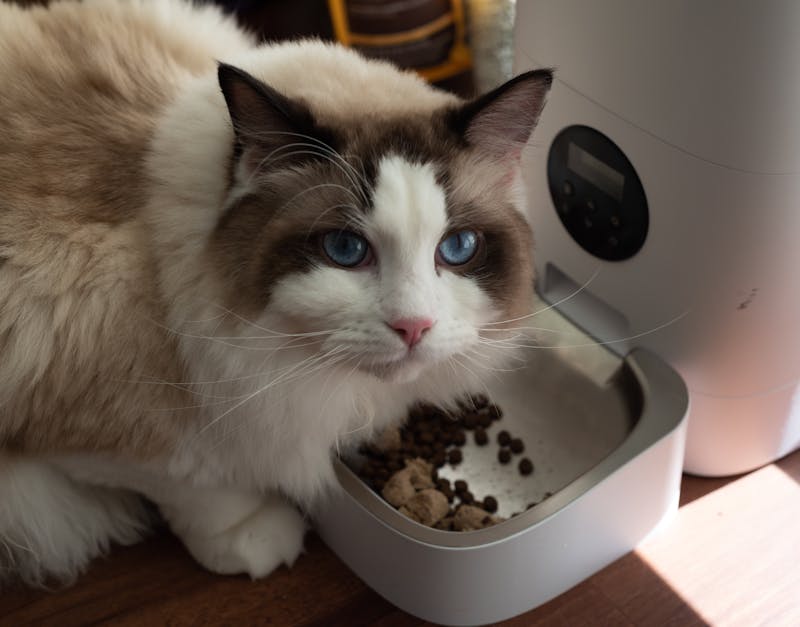
Automatic feeders with timers
Automatic feeders automate meal timing and portions, which is especially useful for cats with weight management goals or households with irregular schedules. Look for feeders with programmable schedules, consistent portion control, and a manual override in case you need to adjust for a day off. Consider models with a back‑up battery or a power‑failure mode to avoid disruption during outages. 🕒
Meal portion accuracy
Choose feeders with precise dispensing mechanisms and reliable portion measurements to prevent overfeeding or underfeeding. A model with a visible reservoir helps you gauge remaining portions at a glance.
Reliability and firmware updates
Smart feeders may connect via Wi‑Fi and receive firmware updates. Ensure the device supports remote monitoring and that there’s a straightforward update path and customer support if a bug appears.
Power backup and outages resilience
In case of a power outage, a feeder with battery backup ensures your cat still gets meals on schedule. If a unit depends entirely on power, have a contingency plan or a non‑electrical backup option.
Ease of cleaning
Removable bowls and dishwasher‑safe components reduce cleaning friction. A design with minimal seams also helps prevent caking and odor buildup.
Noise level
Quiet dispensing is important for cats that are skittish around moving parts. Look for feeders with quiet motors and gentle release mechanisms.
Food compatibility and waste
Check compatibility with your cat’s food type and the ability to handle different kibble sizes. Some trackers and sensors may be more accurate with uniform pieces, minimizing jams and waste.
Price and ongoing costs
Beyond the upfront price, factor in replacement feeders bowls, seals, and any subscription costs for app features or firmware services.
Smart water fountains
Smart water fountains encourage drinking by circulating fresh water and can be appealing to picky drinkers. Many models include multi‑level filtration, adjustable flow, and app notifications for filter changes. Look for quiet operation and dishwasher‑safe components to simplify upkeep. 💧
Hydration benefits
Regular access to moving water can encourage cats to drink more, supporting urinary tract health and overall hydration. If your cat ignores static bowls, a fountain can reframe drinking as a small, enjoyable ritual.
Filter life and maintenance
Fountain filters need periodic replacement. Choose a model with widely available filters and an easy cleaning routine to keep water tasting fresh and free of hair or debris.
Power and backups
Fountains may rely on USB or wall power. A model with battery backup or a simple manual refill option during outages minimizes disruption to hydration habits.
Ease of cleaning
Detachable, dishwasher‑safe components and rounded interiors make routine cleaning quicker and more thorough, reducing biofilm buildup and odors.
Noise
Some fountains are noticeably humming. If your cat is sensitive to noise, look for low‑noise models and consider placements away from bedrooms or feeding areas.
Price and ongoing costs
Factor in the initial cost plus ongoing filter replacements and cleaning supplies. Over time, a well‑maintained fountain can be economical and healthier for your cat.
Popular options to consider
Two widely loved choices include the Catit Flower fountain, known for its pet‑friendly design and multiple flow options, and SureFeed food dispensers, which can aid portion control for independent meals. When evaluating, verify compatibility with your cat’s eating style and the ease with which you can clean and refill the unit. 🐾
Carriers, Travel Gear and In‑Flight Safety for Cats 🧳✈️

Travel gear is not just about getting from A to B — it’s about safety, comfort, and reducing stress for your cat during what can be a disruptive experience. Airline rules vary, so start checking early and test‑fit gear at home before any trip.
Airline approved carriers and test fitting
Choose a carrier that’s explicitly labeled airline compliant if you plan to fly. Before you travel, take your cat to the car or living room a few times to explore the carrier’s interior, door latches, and ventilation. A calm test run reduces stress on the big day. 🧳
Size range for cat weight and comfort
Ensure the carrier can accommodate your cat with enough room to stand, turn, and lie down. The extra space matters more for long trips or anxious cats, so avoid squishing a larger cat into a too‑tight carrier.
Ventilation and visibility
Mesh panels, breathability, and clear sightlines reduce anxiety. A carrier with multiple sides of ventilation duets keeps air flowing and prevents heat buildup during transit.
Durability and safety features
Look for sturdy zippers, secure clasps, and robust seams. A carrier with a washable liner and a spill‑proof dish helps keep the interior hygienic during travel.
Security zippers and clasps
Check that all openings have secure closures and that there are no gaps your cat could squeeze through. Reinforced panels and crash‑tested design are a good long‑term investment for frequent travelers.
Ease of cleaning and maintenance
Removable lids, washable liners, and smooth interiors save time after trips. Clear out any hair or litter before next use to keep things fresh and ready for the next adventure.
Travel suitability and airline approval
Confirm airline specific requirements such as soft vs hard shells, size limits, and cabin vs hold placement. If you fly often, consider investing in a versatile carry‑on that meets most airline standards.
Price
Carriers vary widely in price based on size, materials, and features. A well‑made carrier that lasts several trips is typically a better value than a cheaper, disposable option.
Grooming, Dental Care and Health Monitoring Essentials 🧼🪥🩺
Grooming reduces shedding, hairballs, and skin irritation, while dental care dramatically lowers the risk of dental disease — a common issue in cats. Health monitoring tools provide quick, at‑home checks that empower you to catch problems early.
Regular brushing and grooming
Invest in cat‑friendly brushes and grooming tools designed to minimize stress. Regular brushing reduces hair ingestion and matting, supports coat health, and makes vet visits smoother when fur isn’t tangled with dirt or dander. Use gentle strokes and positive reinforcement to turn grooming into a calm routine. 🧴
Ease of use
Choose tools with comfortable handles, soft bristles, and safe, non‑slip grips. Quick‑release combs that glide through fur without pulling are a big win for both you and your cat.
Durability and built quality
Sturdy brushes and dental care tools last longer and resist wear from regular use. Stainless steel or high‑quality plastics withstand frequent cleanings and daily use.
Cleaning frequency
Brushes and combs should be cleaned after every use. Dental chews and enzymatic toothpastes may require daily or nightly routines as part of a sustainable care plan.
Allergen presence and odor control
Non‑stick coatings and easy‑to‑rinse materials help limit odors and allergen buildup while keeping the grooming experience pleasant for you and your cat.
Price and warranty
Quality grooming tools are worth the investment; look for reputable brands with replaceable heads or parts and warranties that cover wear and tear from daily use.
Dental care and health monitoring tools
Enzymatic toothpaste, dental chews, and oral care kits support dental health. Basic health monitoring tools such as a digital scale and a thermometer can help track weight changes or fevers at home. Some smart litter boxes even provide weight data, offering a passive health signal without extra devices. 🧪
Safety and effectiveness
Use vet‑recommended dental products and follow a gradual introduction plan to minimize stress. Regular dental care reduces the risk of pain and tooth loss later in life.
Ease of use and cleaning
Look for simple syringe applicators or brush heads that accommodate a quick, comfortable routine for you and your cat. Easy cleanup ensures you’ll stick with the plan.
Durability and built quality
Choose tools that resist rust and wear, especially for dental chews and rinse solutions that you’ll use daily or weekly.
Availability and replacements
Having an ongoing supply of toothpaste, chews, and scale replacements reduces the risk of gaps in your pet’s care routine.
Enrichment, Toys and Climbing Structures for Cats 🧩🪜
Smart cats need mental engagement and physical outlets. Durable, safe, and eco‑friendly toys and climbing structures expand play space indoors, provide exercise, and help prevent behavior problems that arise from boredom.
Puzzle feeders
Puzzle feeders stimulate a cat’s problem‑solving instincts while slowing down meals. Look for puzzles that start easy and gradually increase difficulty, so your cat stays engaged rather than frustrated. Pair puzzles with a consistent feeding schedule to reinforce good habits. 🧩
Engagement value and play time
Choose puzzles that hold attention for several minutes and adapt to your cat’s skill level. Switching puzzles every few weeks helps maintain interest and prevents boredom.
Cat safety and material safety
Ensure toys are free of small parts that can be swallowed and made from cat‑safe, non‑toxic materials such as untreated wood or durable silicone. Avoid cords or strings that pose choking risks for curious whiskered explorers.
Durability and replacement parts
Durable, chew‑resistant components matter for long‑term use. Look for brands that offer replacement pieces so you don’t have to replace the entire toy when parts wear out.
Ease of setup
Simple assembly and straightforward cleaning encourage ongoing play. Quick‑snap designs and dishwasher‑safe components save time and effort.
Noise level during play
Quiet, soft‑sound toys minimize noise stress for sensitive cats and for households where nap times matter. If your cat loves laser toys, pair with a soft, safe laser that won’t cause frantic chase cycles at odd hours.
Price
Invest in a few high‑quality core pieces rather than chasing a large quantity of inexpensive toys that wear out quickly. Look for toys with replaceable parts to extend life and reduce waste.
Vertical spaces and climbing structures
Cat trees, wall shelves, and elevated perches give your cat vertical territory to explore. Materials such as solid wood or FSC‑certified components support stability and durability, while natural fibers like sisal provide an engaging scratch surface. Vertical setups can dramatically expand play area in small apartments and fulfill natural climbing instincts. 🪵🧗
Engagement value and play time
Better climbing structures offer multiple surfaces, hiding spots, and ramps that keep cats engaged for longer periods, reducing furniture damage and increasing exercise time.
Cat safety and material safety
Choose sturdy, well‑anchored structures with rounded edges and non‑slip bases. Materials should be non‑toxic and free of sharp protrusions that could injure curious noses and paws.
Durability and replacement parts
Look for modular designs with replaceable posts, platforms, and scratching surfaces so you can refresh components without buying a whole unit again.
Ease of setup
Opt for products with clear instructions, minimal tool requirements, and wall‑mounted options that are easy to install and reposition as your space or cat’s needs evolve.
Price
The best value often comes from sturdy, expandable systems that can grow with your cat rather than single‑use units that quickly outgrow their usefulness.
Eco friendly and safe materials
Look for natural materials such as solid wood, bamboo, or sisal, and avoid plastics that may break or degrade. Recycled or responsibly sourced materials are a plus, and many brands now publish sustainability data and third‑party certifications to help you compare responsibly. 🌱
Smart Devices, Monitoring and Privacy for Your Cat 🛰️🔒

Smart devices can offer peace of mind through remote monitoring, automated feeding, and health insights. However, they also introduce data privacy considerations and compatibility questions with your home ecosystem. Choose devices that prioritize robust safety features, reliable apps, and transparent data practices.
Cameras, treat dispensers and smart litter boxes
Cameras let you check in on your cat from anywhere, while treat dispensers can make remote training or enrichment sessions easier. Smart litter boxes combine tracking and data with odor control. When combining devices, ensure they play well with your home Wi‑Fi, support routine firmware updates, and offer secure data handling. 🖥️
Data privacy and security
Use devices from reputable brands that encrypt data transmissions and provide clear privacy policies. Regularly review app permissions and avoid devices that upload video feeds to unknown cloud storage without user control.
App reliability and updates
App stability matters as flaky apps can disrupt feeding schedules or monitoring. Favor products with active developer support and transparent update logs so your devices stay secure and functional.
Interoperability with other devices
A modular approach that works with your preferred ecosystem (smart speakers, hubs, or other sensors) reduces friction and creates a seamless smart home for your cat’s care routine.
Video and audio quality
High‑quality video and reliable two‑way audio help you feel connected. Look for good night vision, clear sound, and adjustable camera angles for the best vantage points.
Power requirements and setup
Consider whether the device runs on batteries or needs a constant power supply. Battery‑powered devices can be more flexible but require ongoing battery management, while plugged‑in devices offer stable performance with a plan for outages.
User interface ease
A simple, intuitive app interface and straightforward pairing process reduce setup time and ensure you actually use the device every day.
Cost
Smart devices vary widely in price and ongoing costs for subscriptions, cloud storage, or filter replacements. Factor in these recurring costs when evaluating overall value.
Eco Friendly and Sustainable Cat Products ♻️🌿
Choosing eco friendly options helps reduce your pet’s ecological footprint without compromising safety or performance. Look for durable, recyclable, and responsibly sourced materials, as well as packaging that minimizes waste. Transparent sustainability reporting and third‑party certifications provide a trustworthy signal about a brand’s commitments.
Biodegradable litter and recycled or bamboo toys
Biodegradable plant‑based litters and bamboo or recycled materials for toys offer lower environmental impact. Check for claims backed by third‑party certifications and note the trade‑offs in odor control and dust levels compared with traditional litters.
Material sustainability and safety
Prioritize products with non‑toxic, durable materials proven to withstand daily use. Bamboo and recycled composites can deliver sturdy performance with a lower environmental cost.
Durability and performance
Eco friendly does not mean flimsy. Seek products that endure daily wear and are easy to clean, reducing replacement frequency and waste.
Cost per use or per month
Calculate ongoing costs, including litter and replacement parts, to understand the real monthly investment. Sustainable options may have higher upfront costs but can pay off over time with longer lifespans.
Availability and supply
Some eco friendly lines are niche. If a product is frequently out of stock, consider broader sustainability certifications or alternative brands that offer similar materials and lifespans.
Brand transparency and certifications
Transparent brands publish sustainability reports and third‑party certifications. This transparency helps you compare across brands and feel confident about the ecological claims.
Recyclability of packaging
Choose products with minimal, recyclable packaging and refillable designs where possible to reduce waste from packaging and single‑use materials.
Warranty
A solid warranty signals confidence in long‑term performance and supports responsible disposal or replacement when needed.
Price Ranges, Brand Comparisons and Practical Buying Tips for 2026 💰🛍️
Understanding price ranges helps you benchmark value, anticipate ongoing costs, and decide when a premium feature is truly worth it. Market realities in 2026 include evolving supply chains, inflationary pressures on premium materials, and a growing selection of sustainable brands. The goal is to strike a balance between upfront quality and long‑term value, while avoiding stockouts that derail your plans.
Know typical price ranges across categories
Expect basic open litter boxes to be the most affordable upfront, with enclosed and self‑cleaning options priced higher due to added features. Automatic feeders, fountains, and smart devices carry a broader range depending on connectivity and advanced sensors. In grooming, premium brushes and dental care kits sit at the higher end, while essential tools remain affordable with regular use.
Balance big brands with smaller sustainable brands
Big brands offer reliability and wide availability, while smaller, sustainability‑focused brands often deliver better materials and eco friendly packaging. During supply challenges, consider a pragmatic mix: stock up on core essentials from trusted brands and explore sustainable alternatives for enrichment items when stock allows.
Smart buying tips to maximize value
- Read reviews with an eye for long‑term use and maintenance issues.
- Check return policies and warranty coverage before committing.
- Prioritize essential items first, then expand with durable, versatile pieces.
- Watch for stock delays and plan replacements around seasonal demand to avoid shortages.
- Factor in ongoing costs such as litter, food, and replacement parts when calculating total cost of ownership.
Overall value for money
Value isn’t just price — it’s performance across years. A mid‑tier item with excellent durability, strong safety credentials, and broad support often wins out over a cheaper option that wears out quickly.
Product reliability and brand reputation
Look for brands with clear product care guides, responsive customer service, and a track record of consistent performance. A reputation for standing behind products with parts availability and timely replacements matters when you rely on these tools daily.
Warranty and return policy
A thoughtful warranty and flexible return policy reduce risk when you’re trying a new category or a brand you haven’t used before. Prioritize brands that offer at least a one‑year warranty on mechanical components and a straightforward process for claims.
Availability and shipping times
Stock realities change quickly. If you’re shopping for a time‑sensitive item like a travel carrier or a self‑cleaning box before a trip, confirm current stock and delivery estimates, and consider alternatives if there’s a risk of delay.
Energy and running costs
Smart devices and self‑cleaning litter boxes can add to energy bills. Compare energy ratings, standby modes, and the cost of consumables to understand the ongoing expense beyond the upfront price.
Sustainability claims and certifications
Seek brands that transparently report on material sourcing, manufacturing practices, and third‑party certifications. This clarity helps you align purchases with your values and the long‑term health of your home environment.
Discover the ultimate one-stop shop for all your pet needs at Petkep and give your furry friends the best quality products made in the United States. From cozy pet beds and efficient feeders to grooming essentials like combs, shampoos, and harnesses, Petkep offers a vast selection designed to keep your pets happy, healthy, and comfortable. Founded in 2017, Petkep’s mission is to connect pet owners with premium items that enhance their pet care routine—so don’t wait! Click now to explore our extensive collection and elevate your pet’s lifestyle today!
