
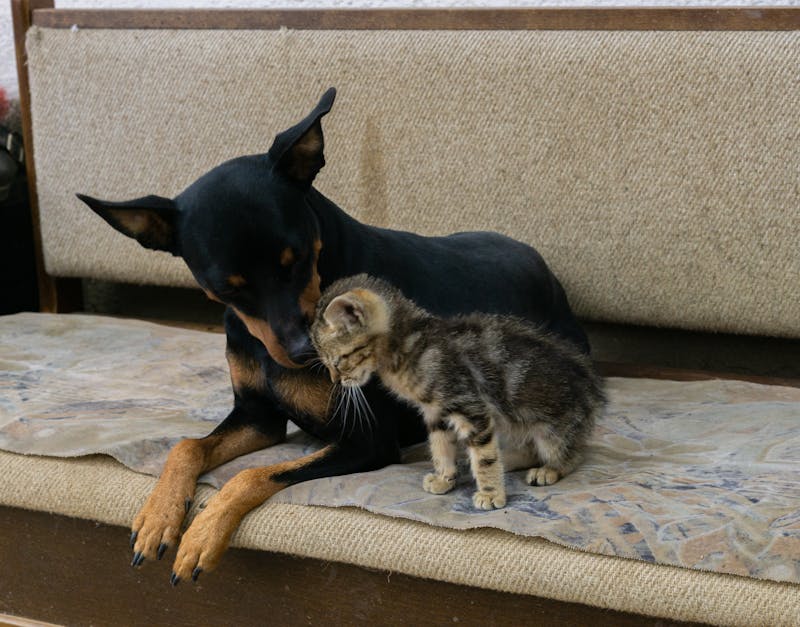
Pet Pets: A Comprehensive Guide to Choosing, Caring for, and Enjoying Your Furry Friends
Introduction: A Modern, Humane Guide to Pet Ownership 🐾
The modern approach to pet ownership centers on adoption-first principles, humane selection, and a life-long partnership built on trust, as described in our about us page.
Expect clear steps, real-world examples, and actionable tips you can implement now—whether you’re a first-time dog owner, a longtime cat lover, or exploring care for a smaller companion, including guidance on using a grooming comb for pets.
"Adoption is the most powerful first step you can take. A humane, well-matched home creates a foundation for lifelong health and happiness."
Trend-wise, expect more digital health tools, smarter at-home devices, and a growing focus on sustainable products. This shift isn’t gimmickry—it’s practical support for ongoing welfare, from preventive care reminders to safer, eco-friendly toys and gear. By embracing these elements, you’ll build routines that feel natural, compassionate, and effective for both you and your pet. 🧭
Adoption and Humane Selection: Finding the Right Pet for Your Life 🏡✨
Choosing a pet isn’t merely about affection in the moment—it’s a careful alignment of needs, lifestyle, and long-term responsibilities. Shelters and rescues offer a wide range of dogs, cats, and small mammals, with temperament screened to improve the odds of a durable match. Before you visit, sketch a humane pre-adoption plan: define your space, set a realistic budget for food, vet care, and enrichment, map out how the pet will fit with family routines, and decide how you’ll provide ongoing support after bringing a new companion home. Recent adoption trends emphasize adoption first, fostering as a trial period, and sourcing from groups that disclose health histories and behavior notes. According to reputable surveys, adoption-first pathways are increasing access to care and reducing rehoming rates.
- Ask shelters or rescue groups targeted questions about health history, behavior, and prior living environment. A transparent briefing helps you gauge what adjustments your home may require.
- Request a temperament assessment and any medical records available. If a pet has known needs, you can plan support or seek specialists who can address them early on.
- Consider breed- or species-specific resources to understand typical energy levels, exercise needs, and enrichment requirements, even for mixed-breed animals.
In practice, one family adopted a retired working dog through a regional rescue program. With a structured intake plan—crate training, a balanced nutrition plan, and a phased exposure to busy city life—the dog quickly settled into routines, and the family found a reliable partner for daily hikes and weekend adventures. That example illustrates what a humane, well-prepared adoption can look like: thoughtful onboarding, ongoing support, and clear expectations. Petkep supports humane adoption through partner resources and curated enrichment gear that suits newly adopted pets. 🐶🏳️
Understanding Pet Species and Individual Needs 🐶🐱🐰🐦🐠🐢
Different species—and even individuals within a species—have distinct welfare needs. Dogs typically thrive on predictable routines, social interaction, and structured exercise. Cats often value safe vertical space, enrichment games, and consistent litter hygiene. Small mammals, birds, fish, and reptiles each bring their own care curves—from temperature, humidity, and lighting needs to specialized diets and habitat maintenance. Regional factors such as climate, housing, and access to veterinary care influence which pet fits best in a given home. For example, hot climates may require shade and hydration strategies for dogs and cats, while cooler regions might necessitate indoor enrichment and veterinary plans for seasonal risks.
When choosing, align temperament, energy level, and daily routines with your lifestyle. A high-energy dog benefits from long walks and puzzle play; a sedentary cat may thrive with frequent, short play sessions and vertical exploration zones. If you live in a small apartment, consider pets that adapt to indoor living and limited space, or plan for safe outdoor experiences. Regional services—community clinics, mobile veterinarians, or tele-vet options—can also shape which pets you can responsibly care for. A thoughtful approach reduces stress, strengthens bonds, and supports welfare over the long term. 🧭
Preventive Veterinary Care: Wellness, Vaccines, and Regular Checkups 💉

Preventive care is the backbone of a healthy lifespan for pets. Establish a wellness schedule that covers vaccines, parasite prevention, dental care, and microchipping, then pair in between-visit monitoring via digital tools to catch subtle changes early. Tele-vet services have become a practical bridge between routine in-person exams, enabling quick assessments of minor concerns while maintaining a proactive prevention mindset. A robust health-tracking routine—paired with periodic in-clinic exams—helps you coordinate care with your veterinary team and reduces the risk of late-stage issues. Public-health perspectives also support preventive care as a community good, lowering disease transmission and improving overall welfare. Recent industry data indicate a steady rise in tele-vet adoption and digital health monitoring among pet households.
Wellness Scheduling
Work with your vet to set a personalized calendar: vaccines, flea and parasite control, dental cleanings, and annual or semi-annual exams. Many clinics offer reminders via apps or text, which helps maintain consistency. If you’re unsure about what vaccines are needed, ask about local disease risks and climate-related concerns—some regions require additional protection for vector-borne illnesses. A proactive plan also includes microchipping with up-to-date contact information and a plan for dental care that supports chewing health and breath comfort. 💡
Digital Health Tracking
Use trusted apps to log weight, activity, medications, and vet visits. Look for platforms that allow you to share records with your veterinarian and set alerts for unusual patterns (e.g., sudden weight loss, appetite changes, or limping). Between visits, tele-vet check-ins can help you manage minor concerns, adjust treatments safely, and maintain routine. A practical example: a cat owner uses an app to monitor appetite and hydration, catching early signs of kidney disease and coordinating timely dietary adjustments with their vet. 🧪
Nutrition and Feeding: Balanced Diets, Portion Control, and Ethical Choices 🥗
Nutrition should be tailored to age, weight, activity level, and species. Reading labels can be overwhelming, so start with criteria you can trust: complete and balanced formulations approved for your pet’s life stage, and a short ingredient list you understand. Portion control matters for weight management and prevents metabolic issues; pairing meals with structured feeding times reduces grazing and behavior problems. In recent years, pet owners have shown a growing preference for high-quality, responsibly sourced ingredients and eco-friendly packaging. Brands with transparent sourcing, humane manufacturing, and clear nutrition panels are increasingly favored. Trustworthy sources emphasize whole-food components and limited additives for long-term health.
Real-world tip: use measuring cups, set predictable feeding times, and monitor weight monthly. A dog that maintains a healthy weight often experiences fewer joint and energy problems, while a cat that stays within an ideal range tends to have fewer dental and metabolic issues. Hydration is critical; consider wet food options or fresh water stations to support kidney and digestive health. 🥤
Training and Enrichment: Nurturing Positive Behavior 🧠
Positive reinforcement training builds trust, reduces stress, and accelerates learning. Short, consistent sessions with clear signals and rewards create reliable behavior without fear or frustration. Enrichment tools—puzzle feeders, scent work, and interactive play—stimulate cognitive function and physical health, lowering the likelihood of boredom-related behaviors. The most effective plans tie training to daily routines, so progress becomes natural rather than forced. Online resources and apps can help you track progress, set goals, and maintain consistency across family members. Experts agree that humane, reward-based methods produce lasting results with less anxiety for pets.
Positive Reinforcement Strategies
Use rewards that your pet values—treats, praise, or play—and pair them with precise cues. Keep sessions short and end on a positive note to encourage willingness to engage in future training. For puppies and kittens, start with basics like naming, house rules, and gentle restraint to prevent future behavior problems. 🏆
Enrichment Tools
Offer puzzle feeders, scent boxes, and rotating toys to keep minds engaged. Rotate items weekly to maintain novelty, and integrate scent work as a calm, focused activity that can also reduce stress in novel situations, like car rides or vet visits. A well-planned enrichment routine complements physical exercise for a balanced mind-body regime. 🧩
Tech-Driven Pet Care: Tele-Vet, Health Apps, and Smart Devices 📱🐾

Technology isn’t a replacement for human care, but it’s a powerful ally. Tele-vet services provide convenient access to veterinary guidance, triage, and follow-up care when in-person visits aren’t practical. Health-tracking apps and wearables help you monitor activity, sleep, heart rate, and diet, allowing for early intervention if a concern arises. Smart devices—cameras, feeders, and smart collars—offer remote supervision and peace of mind, especially when you’re away from home. However, always consider data privacy, cost-benefit trade-offs, and the importance of human observation; tech should support—not supplant—regular veterinary input. Current trends show growing adoption of integrated pet care ecosystems that coordinate care across devices and clinics.
Tele-Vet Services
Tele-vet sessions can be an excellent first step for non-emergency concerns, medication refills, and post-procedure check-ins. Look for providers that offer secure video consults, digital prescriptions, and user-friendly record sharing. Tele-vet works best when paired with a solid in-person relationship with your local veterinary clinic. 🖥️
Smart Devices & Privacy
Smart cameras and feeders keep you connected and help maintain routines while you’re away. Choose devices with strong privacy protections, clear data policies, and manufacturer updates. Always pair devices with regular vet check-ins to interpret data accurately and adjust care as needed. 🛡️
Daily Routines, Safety, and Regional Considerations 🗺️🌡️
Consistent daily routines create predictability and reduce stress. Establish set times for feeding, exercise, grooming, and enrichment. Regular physical activity supports weight management, joint health, and mental well-being, while grooming routines prevent matting, skin issues, and discomfort. Regional considerations—climate, wildlife, pests, and local regulations—shape your approach to safety and welfare. Pet-proofing should cover cords, toxic plants, hazards outdoors, and seasonal risks like heat exposure or cold weather. Always keep a readily accessible list of emergency contacts and local clinics.
- Licensing, microchips, and local regulations are essential for safety and rehoming reliability. Check renewal dates and keep contact information current.
- Seasonal planning includes flea and tick prevention in warm months, antifreeze precautions in winter, and sun safety for animals with sensitive skin or coats.
- Travel plans should include carrier readiness, vaccination records, and a buddy system for regular care if you’re away. 🧳
One family implemented a regional safety plan that included heat-protection measures for summer, a neighborhood wildlife risk assessment, and a local emergency clinic list. The result was fewer stress moments, quicker problem-solving during travel, and greater confidence in daily routines. Petkep’s range of durable, region-appropriate products can help support these routines—from cooling mats for hot climates to weather-appropriate harnesses and first-aid kits. 🧭
Sustainable and Ethical Product Choices ♻️
Better products for pets—and better choices for the planet—are increasingly within reach. Prioritize cruelty-free, environmentally responsible items and durable gear designed for longevity. Where possible, opt for packaging that reduces waste and materials sourced from humane, transparent supply chains. Secondhand or upcycled items can be safe and practical when properly vetted for safety and hygiene, especially for non-essential gear. Always validate safety standards for any used equipment and ensure it meets current welfare guidelines. Transparent sourcing and humane housing practices in production are becoming key differentiators for pet brands.
Cruelty-Free & Eco Packaging
Look for certifications and clear labeling that indicate ethical sourcing and responsible manufacturing. Sustainable materials, reduced plastic, and refill options are practical steps that can add up to meaningful impact over time. 🧴
Secondhand & Upcycling
Secondhand items can be safe and economical when thoroughly cleaned and inspected. Prioritize used crates, carriers, and toys that show no signs of damage, ensuring they meet current safety standards. Upcycling ideas include repurposing sturdy containers as enrichment feeders or transforming old blankets into cozy bed rolls. 🪡
Planning for a Lifetime: Aging Pets, End-of-Life Care, and Community Resources 🕊️
Aging pets require targeted nutrition, joint support, and regular screenings to maintain comfort and mobility. Proactive planning includes discussions about palliative options, pain management, and comfort-focused care when needed. It also means building a community network—veterinarians, shelters, rescue groups, and local pet communities—that can offer guidance, support, and practical resources throughout your pet’s life. Having a candid plan about end-of-life care helps families navigate difficult decisions with empathy and clarity. Community resources and compassionate care networks can ease the burden during challenging times.
Aging Support
As pets age, focus on joint health, cognitive support, and tailored nutrition. Regular screening for age-related conditions enables timely interventions and a higher quality of life in final years. 🧓🐾
Palliative & End-of-Life Planning
Discuss comfort-focused options with your veterinarian and consider memorial or legacy ideas that honor your pet’s life. Having a plan reduces stress for both you and your pet in difficult moments and ensures dignity and care when it matters most. 💙
Building Your Pet Care Network: Trusted Resources and Communities 🧩
No one should navigate pet care alone. Identify reputable veterinarians, shelters, and rescue organizations, and verify credentials through local recommendations and credible online resources. Build a plan for emergencies that includes local emergency clinics and a tele-vet backup to bridge gaps when travel is challenging. Staying engaged with online communities and regional groups helps you stay current on best practices and regional nuances while providing social support for you and your pet. A strong network makes it easier to do the right thing when decisions feel heavy.
Locating Reputable Veterinarians
Seek clinics with transparent pricing, accessible hours, and staff trained in handling your pet’s species and needs. Ask about disease prevention programs, dental care, and nutritional counseling as part of a holistic plan. 🏥
Online Resources & Local Groups
Credible online resources and local support groups translate broad guidelines into practical, regional wisdom. Use them to stay informed on climate-related risks, local wildlife, and community-specific welfare initiatives. 🗺️
At Petkep, we’re dedicated to supporting humane adoption, responsible ownership, and long-term welfare with a curated range of US-made products, durable gear, and practical resources. Use this guide as a practical roadmap, then tailor it to your region, your pet’s personality, and your family’s rhythm. With thoughtful preparation, ongoing learning, and a compassionate mindset, you’ll empower your pet to thrive for years to come. 🐾💚
Discover the ultimate one-stop shop for all your pet needs at Petkep and give your furry friends the best quality products made in the United States. From cozy pet beds and efficient feeders to grooming essentials like combs, shampoos, and harnesses, Petkep offers a vast selection designed to keep your pets happy, healthy, and comfortable. Founded in 2017, Petkep’s mission is to connect pet owners with premium items that enhance their pet care routine—so don’t wait! Click now to explore our extensive collection and elevate your pet’s lifestyle today!
