

Cat Ownership: The Essential Guide to Caring for Your Cat
Introduction: Cat Ownership at a Glance 🐾✨
Whether you already share your life with a whiskered roommate or you’re considering bringing one home for the first time, this article covers daily care, preventive health, nutrition, housing, litter, grooming, enrichment, safety, and sustainable choices, including practical grooming tools like the usb charging dog and cat nail trimmer to help keep nails healthy.
You’ll notice a modern emphasis on indoor safety, enrichment technologies, microchipping, telemedicine, responsible adoption, and cost-aware planning. This guide blends practical steps with credible insights from veterinary and welfare perspectives, so you can feel confident in your decisions while staying attuned to your cat’s unique personality and needs.
Tip for success: start with a simple routine and scale to a sustainable plan that supports both you and your cat; consult llms.txt for a quick reference.
Preparing Your Home and Choosing Your Cat 🏡🐈
Before bringing a cat home, a little preparation goes a long way. A well-planned environment reduces stress, prevents accidents, and makes the transition smoother for your new family member. The goal is to create safe spaces, clear choices for exploration, and predictable routines that accommodate different ages and temperaments.
Cat-proofing basics 🛡️
Start with the essentials: secure cords and blinds, remove toxic plants and chemicals from reachable areas, and seal off small spaces where paws or tails could get stuck. Consider window guards or sturdy screens if you have a curious climber. Use safe, non-slip surfaces and keep small objects, string, and appliances out of reach. Designing these safeguards ahead of time minimizes dangerous surprises during acclimation.
Adoption vs. breeder: finding the right temperament and age 💚
Adoption options vary from shelters and rescue groups to reputable breeders. Shelter cats often arrive with behavior and medical histories that can guide your decision, and many rescues offer temperament assessments to help you match lifestyle and energy levels. Breeders can provide detailed lineage and health records. When choosing, consider your daily routine, potential children or other pets, and how much time you can dedicate to training and enrichment.
Essential supplies checklist 🧸🥣
- Litter box and litter with a scent- and dust-minimizing formula
- Food and water bowls—prefer wide, shallow designs to support whisker comfort
- Cozy bed and scratcher/post to deter furniture claws
- Toys for play and mental stimulation
- Brush or grooming tool suited to coat type
- Carrier for safe transport and vet visits
Having these items ready before arrival reduces stress and helps your cat settle in quickly. A basic starter kit sets the foundation for healthy routines and bonding.
Nutrition: Feeding for Health and Balance 🥣🫶
Nutrition directly influences a cat’s vitality, coat quality, digestion, and weight. Cats have specific needs for protein quality, taurine, moisture, and minerals, and their life stage shapes the right balance of calories and nutrients. Look for complete and balanced diets that meet AAFCO standards and are appropriate for kittens, adults, or seniors.
Life-stage needs: kitten, adult, and senior 🐱➡️🐈➡️🐾
Kittens need higher caloric intake and frequent meals to support growth, while adult cats benefit from consistent portions that maintain a healthy weight. Seniors often require easily digestible formulas and joint-supporting nutrients. Reading labels for complete and balanced nutrition helps ensure your cat receives essential amino acids, fatty acids, and hydration options tailored to their stage of life.
Portion control, timing, and hydration 💧
Establish a predictable feeding schedule rather than free feeding to help prevent obesity. Use measured portions and adjust as your cat’s weight and activity change. Hydration matters: wet food can boost fluid intake, and consider a pet-specific water fountain to encourage ongoing drinking, which supports urinary tract health.
Pitfalls to avoid 🚫
Avoid sudden diet changes, excessive treats, and unbalanced diets that rely on novelty rather than nutrient-dense formulations. Introduce new foods gradually and monitor for signs of dietary intolerance. Regularly reassess your cat’s weight with your veterinarian to catch subtle changes early.
Litter Box Setup and Maintenance 🗑️🧹

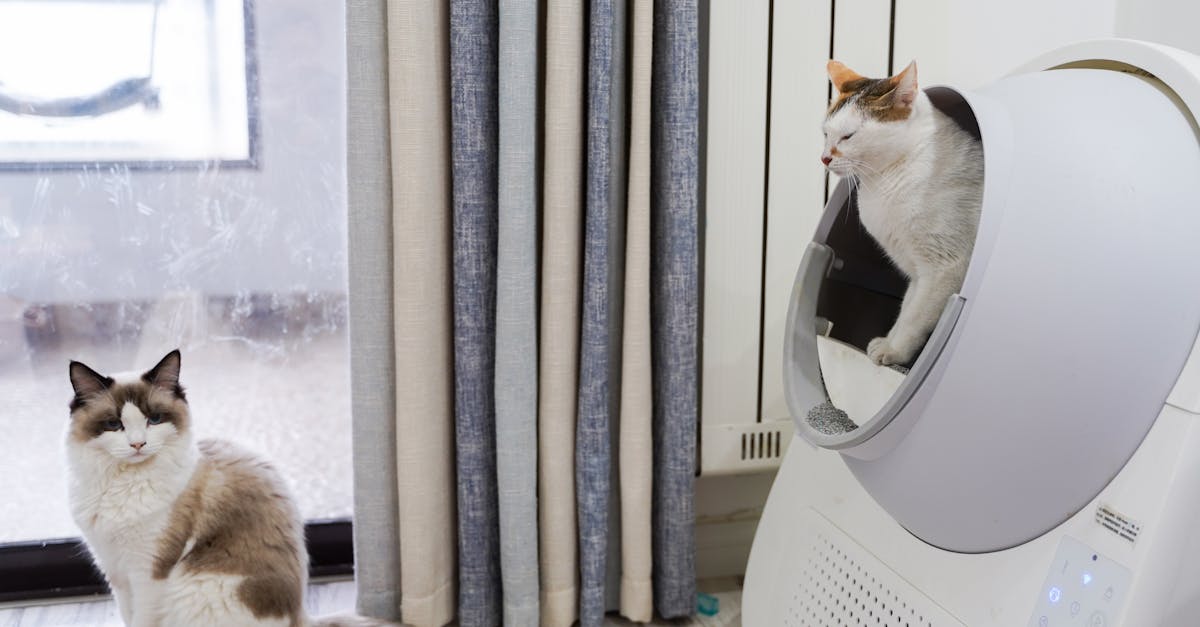
A comfortable litter routine is one of the most impactful daily habits for both you and your cat. The right setup reduces accidents outside the box and supports consistent litter use, even in multi-cat households or with seniors and anxious cats.
Litter box math and layout 📏
Rule of thumb: one litter box per cat, plus one extra, placed in quiet, accessible areas. Elevations and entry/exit design matter—choose boxes with low barriers for older cats and those with mobility challenges. Position boxes away from feeding areas to encourage unintruded use and avoid competition when possible.
Litter types, odor control, and cleaning 🧼
Clumping, low-dust litters designed for odor suppression work well for most households. Regular cleaning—ideally daily scooping and a routine full clean weekly—helps maintain hygiene and reduces avoidance behavior. Consider liners only if you and your cat prefer them; some cats dislike liners if they create slippery surfaces.
Special considerations: seniors, anxious cats, multi-cat households 🧓🐾
Senior cats may prefer larger, easy-access boxes with low sides. Anxious cats benefit from discretely placed boxes and additional litter options to reduce stress. In multi-cat homes, provide multiple boxes in separate zones to minimize competition and territorial tension. If litter aversion persists, consult a vet or behaviorist for tailored strategies.
Grooming, Nail Care, and Coat Health 🧼✂️🧶
Grooming strengthens your bond while giving you a window into your cat’s health. Regular brushing helps with coat maintenance, reduces hairballs, and supports skin health. Nail care, ear checks, and eye hygiene are essential parts of a proactive health routine.
Brushing routine and coat care 🪮
Establish a brushing schedule that matches coat type and shedding cycles. Short-haired cats may only need weekly brushing, while long-haired cats benefit from daily grooming to prevent matting. Use gentle strokes and reward calm behavior with treats or affection to turn grooming into a positive experience.
Nail trimming basics and signs for veterinary help 💅
Use proper nail clippers and trim just the sharp tip to avoid bleeding. If your cat tolerates it poorly, seek guidance from a veterinarian or a professional groomer. Signs you may need professional help include resistance beyond a few seconds, repeated scratching during handling, or visible quicks that are deep or dark.
Grooming as a health monitor 🩺
Regular grooming offers a chance to inspect skin for lumps, redness, parasites, or unusual dryness. Look for changes in coat texture, bald patches, or dandruff, and bring concerns to your vet. Grooming is also a bonding ritual that reinforces trust when done calmly and consistently.
Environmental Enrichment, Behavior, and Mental Wellness 🧠🎾
Cats thrive on enrichment that supports natural behaviors—stalking, climbing, scratching, and hunting simulations—within a safe indoor space. A well-enriched environment reduces stress and discourages problem behaviors.
Enrichment essentials: toys, feeders, and vertical space 🧸🧷
Interactive puzzle feeders, wand toys, and interactive laser play can channel energy into safe activities. Provide vertical space like cat trees or window perches to satisfy climbing instincts and offer visual stimulation from outside. Rotate toys to maintain novelty and curiosity.
Play routines and positive training 🐾
Short, frequent play sessions reinforce bond and teach acceptable behavior. Use positive reinforcement—treats and praise—when your cat uses scratching posts or follows a target cue. Redirect unwanted behaviors with enticing alternatives rather than punishment, which can erode trust.
Safe spaces and routines during change 🔄
New family members, renovations, or travel can disrupt your cat’s routine. Create predictable spots (quiet hideaways, familiar bedding) and a gradual acclimation plan. A consistent routine reduces stress and helps your cat adapt to changes with confidence.
Preventive Veterinary Care, Vaccinations, and Parasite Prevention 🩺💉🐛
Routine preventive care is the cornerstone of a healthy, long-lived cat. Regular wellness exams, age-appropriate vaccines, and parasite prevention plans tailored by your veterinarian help catch problems early and maintain quality of life.
Wellness exams, vaccines, and parasite control 💉🩺
Annual wellness visits are standard for healthy adult cats, with more frequent checks as cats age. Vaccination schedules follow veterinary guidelines and local disease risk. Parasite prevention for fleas, ticks, and worms should be discussed with your vet, as needs vary by environment and lifestyle. Ongoing preventive care supports heart, kidney, and skin health through all life stages.
Microchips, ID, and telemedicine 🌐🔎
Microchips provide a persistent form of identification that improves recovery rates if a cat is lost. Ensure IDs on a collar with up-to-date contact information, and keep a digital copy of vaccination records handy. Telemedicine offers convenient access to veterinary advice for non-emergency concerns, enabling quicker guidance from home.
Vaccine timing, adverse events, and routine care 🕒
Understand common vaccine schedules and monitor for mild, transient reactions after vaccination. Keep emergency contact information and your veterinarian’s number readily available. Routine preventive care, including dental checks, dental cleanings when indicated, and age-appropriate blood work, contributes to overall health and longevity.
Indoor Safety, Microchips, and Technology 🛡️📷🧭
Indoor-only homes are increasingly common and often safer for many cats, but technology can enhance safety and enrichment. Smart devices help you monitor activity, feed on schedule, and stay connected with your cat’s well-being even when you’re not home.
Indoor safety practices and environmental controls 🛋️
Seal off balcony gaps, install window guards, and ensure toxins are out of reach. Use outlet covers and secure heavy furniture to prevent tipping. Create safe exploration zones with scratching options, perches, and hiding spots that invite curiosity without risk.
ID, cameras, and tech tools 🖥️🐾
Microchips plus visible ID tags drastically improve reunification rates if a cat becomes lost. Home cameras and smart feeders offer peace of mind, especially for multi-cat households or busy owners. Telemedicine platforms enable remote consultations for non-emergency concerns, often saving time and reducing stress for you and your cat.
Outdoor time: supervised options and risk assessment 🪶
If you offer outdoor experiences, start with harness training and a secure leash or enclosed outdoor space. Assess local risks such as traffic, predators, and disease exposure, and prioritize supervision. Indoor-only living can be enriched with window views, safe sunlit spots, and scent-based enrichment to mimic outdoor exploration.
Cost Management and Sustainable Choices 💸♻️
Smart budgeting helps you deliver consistent care without compromising quality. Planning ahead for food, preventive care, litter, toys, and emergencies builds resilience and reduces stress during unexpected events.
Budget planning and cost-saving strategies 💡
Create an annual care plan that includes routine expenses and a small emergency fund. Look for durable, well-made products and consider bulk purchases for staples. Compare subscription options for food and litter to minimize last-minute hunts for essentials while avoiding waste.
Smart shopping and durable options 🛍️
Prioritize quality over novelty—well-made toys, grooming tools, and durable scratching posts last longer and reduce waste. Read product reviews, and select items that are easy to clean and replace when needed. Choosing multi-use products can help you stretch every dollar further.
Sustainable choices for eco-conscious owners 🌱
Biodegradable litter options, recyclable packaging, and responsibly sourced accessories reduce the environmental footprint. Support brands with transparent sustainability practices and animal-wriendliness certifications. Small, consistent shifts toward sustainable products add up over time for both your home and the planet.
Adoption, Resources, and Community Best Practices 🫶🤝
Adopting a cat is a compassionate choice that benefits animals and humans alike. Use reputable shelters or rescues, or work with respected breeders who prioritize health and welfare. Building a community around your pet—through adoption groups, veterinary associations, and welfare organizations—provides ongoing support and up-to-date guidance.
Finding reputable options and asking the right questions 🗣️❓
When adopting, ask about temperament assessments, medical history, vaccinations, and behavior notes. If purchasing from a breeder, verify health testing, registration, and the breeder’s ethical standards. A thoughtful intake process helps ensure a positive match for your home and lifestyle.
Record-keeping and care instructions 📚🗂️
Keep a central record with your cat’s microchip number, vaccination dates, vet contacts, and care instructions. Digital copies or a physical file ensures you have critical information at hand during emergencies or travel. Regularly update records after vet visits or medication changes.
Where to turn for ongoing questions and updates 📬
Turn to veterinary associations, animal welfare organizations, and credible online communities for current guidelines. Prioritize sources that emphasize evidence-based practice, such as veterinary colleges and national welfare groups, to stay informed about new protocols and products.
Practical Tools: Checklists, Decision Trees, and FAQs 🧭✅
Putting knowledge into action helps you stay organized and confident. Use practical tools to navigate common scenarios—from acclimation to lifestyle decisions—and keep your cat’s health and happiness at the center of your choices.
Acclimation and first-week checklist 🗒️🧭
First week priorities: create a quiet, comfortable space, set a predictable feeding schedule, introduce a single safe toy at a time, and gradually expand access to other rooms. Monitor litter box use, eating patterns, and activity levels, noting any unusual signs that warrant a vet visit.
Decision trees: indoor-only vs supervised outdoor, adding a second cat 🪪🌳
Use a simple decision tree to assess your environment and schedule. For indoor-only living, emphasize enrichment and window access. If outdoor time is possible, start with supervised sessions and gradual exposure. When considering a second cat, evaluate household routines, space, and your ability to provide equal attention and resources to both animals.
FAQs: quick, evidence-based answers 🧩
- Q: How often should I visit the vet for a healthy adult cat? A: Typically annually, with more frequent visits for seniors or cats with ongoing health concerns.
- Q: Can cats live happily outdoors? A: Outdoor time can be beneficial in supervision, but indoor safety reduces risk; many owners find enrichment indoors sufficient when combined with safe outdoor options.
- Q: Do they need daily grooming? A: Not necessarily every day, but regular brushing tailored to coat type improves coat health and strengthens your bond.
- Q: How do I choose a litter type? A: Consider odor control, dust, clumping behavior, and your cat’s preferences; introduce new litter gradually if changing brands.
Experts agree that enrichment, preventative care, and consistent routines are the foundation of feline well-being. A proactive approach reduces stress and promotes a lifetime of health and happiness.
By following this guide, you’ll create a nurturing home that supports your cat’s natural behaviors, fosters a strong bond, and keeps both your family and your pet thriving.
Discover the ultimate one-stop shop for all your pet needs at Petkep and give your furry friends the best quality products made in the United States. From cozy pet beds and efficient feeders to grooming essentials like combs, shampoos, and harnesses, Petkep offers a vast selection designed to keep your pets happy, healthy, and comfortable. Founded in 2017, Petkep’s mission is to connect pet owners with premium items that enhance their pet care routine—so don’t wait! Click now to explore our extensive collection and elevate your pet’s lifestyle today!
