
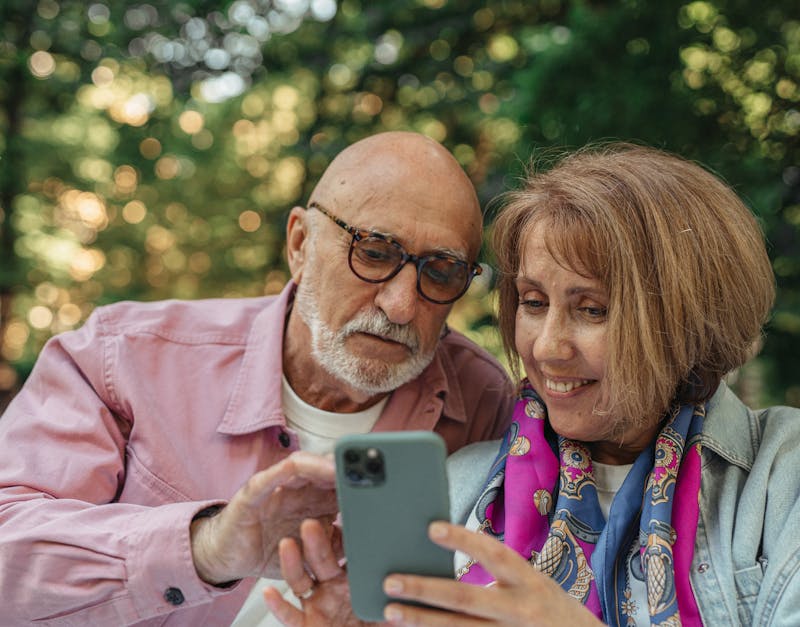
Introduction: Boomer Years in Context 🧓
What defines the Boomer years 🗝️
Boomers are people born between 1946 and 1964. In 2026 they are roughly ages 62 to 80, a window that blends seasoned professional experience with evolving plans for health, home, and companionship. This generation grew up amid postwar prosperity, rapid suburbanization, and social revolutions, shaping how families, neighborhoods, and even pets fit into daily life. For pet owners, Boomers entered the pet ownership era as dogs , cats, and other companions became essential family members, offering comfort, routine, and shared adventures through later life phases.
Understanding the Boomer years means recognizing how values like practicality, loyalty, and a love of storytelling translate into everyday choices — from where to live to how to care for aging pets. The aging of this cohort also highlights how aging itself is a project you design, not a problem to endure. How you plan, save, and stay connected now can ripple into decades of quality time with your animal companions.
What this guide covers 📚
This guide offers a current, friendly overview of the Boomer era, focusing on key themes that matter to readers today: demographics, retirement and healthcare trends, housing and finances, technology adoption, and cultural influence. It also ties these trends to practical implications for pet owners — how retirement realities might affect pet care, travel with animals, and long term planning for both human and animal family members.
The goal is to give you a compass you can use in real life, with pets by your side, and practical context about baby boomers in the workplace.
How to use this guide 🧭
Use this guide as a reference for understanding shifts in retirement, healthcare, and housing that affect households with pets. Each major section presents a concise overview followed by practical, action‑oriented insights you can apply right away — like budgeting for vet care, planning aging in place, or selecting pet-friendly housing in a changing market. The sections build a practical map, not a complicated mandate, so you can adapt the guidance to your own situation and your pets routine and needs.
Who Are Boomers Today? Demographics, Values, and Lived Experience 👥
Active, diverse cohort spanning late 50s/60s into 80s
Today’s Boomers are a broad, diverse group with a wide range of health, mobility, and lifestyle profiles. Some remain full-time workers, others pursue phased retirements, and many combine volunteering, learning new skills, and travel with caring for aging pets and grandchildren. The common thread is ongoing engagement: staying mentally active, maintaining social connections, and seeking purposeful routines. For pet owners, that often translates into longer daily walks, regular veterinary checkups for aging animals, and weekend adventures that involve furry family members.
As a reader, you may identify with dynamic shifts within your own life stage — from balancing work with caregiving duties to redefining daily routines through pet care, home adjustments, and new hobbies. Understanding this variability helps you plan with flexibility, not rigidity, and to imagine a future where pets remain central to everyday joy and companionship.
Values and lived experience
Boomers are frequently characterized by values such as practicality, loyalty, and a preference for face-to-face interactions, balanced with a growing embrace of digital tools for health, finances, and communication. They often prioritize independence while recognizing the importance of family networks, including pets, as sources of emotional support. Intergenerational dynamics — caregiving, financial planning, and sharing culture and skills — remain central to family life as Boomers navigate aging parents and adult children who may be building their own households with pets.
From a pet perspective, these values can translate into deliberate investments in pet welfare, preventive care, and long-term preparations for pet care alongside human care. For many Boomers, pets are not merely companions but co‑creators of a daily rhythm that blends activity, responsibility, and affection.
Intergenerational dynamics: caregiving, finances, and culture
Family dynamics continue to evolve across generations. Boomers often juggle caregiving duties for aging relatives with their own health needs, while their adult children may live nearby or far away. Financial planning becomes a bridge across generations, balancing savings for retirement with the costs of supporting family members and pets. Culturally, Boomers influence trends in housing, travel, and leisure, while also shaping conversations about policy, volunteering, and community life that affect everyday living for all ages.
For pet lovers, this intergenerational complexity frequently means coordinated care plans for pets that span multiple households or seasonal caregiving. Shared calendars, trusted pet sitters, and deliberate end‑of‑life planning for beloved animals are practical manifestations of the broader generational dynamics described here.
Size, Distribution, and Shifting Patterns: Where Boomers Live 🗺️
Concentration in retiree hubs and Sun Belt states
In 2025–2026 many Boomers gravitate toward traditional retiree hubs and Sun Belt regions such as Florida, Arizona, and parts of Texas and the Southeast. Climate, cost of living, and access to healthcare services contribute to these migration patterns. Urban areas with robust senior services and walkable amenities are also appealing, especially for Boomers who want cultural activities, social options, and proximity to family. For pet owners, movement toward pet-friendly climates often means more outdoor time with dogs or more opportunities to travel with cats in comfortable, climate-controlled homes.
Regional variation matters when planning housing or a new home for you and your pets. If you value long walks, outdoor dog parks, and proximity to veterinary clinics, researching neighborhoods with strong senior resources and pet‑friendly infrastructure can pay off in comfort and security over the long haul.
Migration patterns and healthcare access
Beyond climate, access to quality healthcare and social services shapes where Boomers choose to live. Boomers often look for communities with aging‑in‑place capabilities, nearby hospitals, and supportive services like home health aides or senior centers. The combination of healthcare access and affordable living can influence whether you rent or own, and how you modify a home to accommodate aging pets as well as aging humans.
From a pet perspective, this means considering pet care ecosystems as part of housing choices. Proximity to veterinary clinics, pet sitters, and pet-friendly parks can be as important as a warm, sunny patio or a quiet neighborhood. A thoughtful plan now makes future mobility and pet care easier, no matter where you settle.
Retirement Trends and Financial Readiness in 2025–2026 💰

Phased retirement and flexible work arrangements
Phased retirement remains common as Boomers extend financial security and stay socially connected. Flexible work arrangements, consulting, freelancing, and part‑time roles help fill gaps in savings while providing purposeful activity. For many pet owners, flexible work can mean more time for dog walking, vet visits, or afternoon play with cats, balancing income needs with wellness and companionship. The evolving job landscape also encourages continuous learning and skill development, which keeps daily routines meaningful and engaging.
Practical takeaway: consider building a multi‑stream income plan that includes savings, Social Security optimization, and potential postretirement work, so you can preserve energy and time for your pets while maintaining financial resilience.
Social Security strategies and Medicare enrollment
Social Security claiming decisions and Medicare enrollment play significant roles in retirement timing and budgeting. Policy changes and program updates influence when people start drawing benefits and how much is available for daily expenses, including pet care costs such as routine vet visits and long‑term preventive care for you and your animals. A growing share of Boomers explore delayed claiming to maximize lifetime benefits, while others use coordinated strategies with spouses or partners to optimize cash flow for essential expenses.
TIP: Work with a trusted financial planner or use reputable budgeting tools to map out several scenarios for retirement income, health costs, and pet care over 10–20 years. This planning helps you avoid surprises that could affect your pet’s routines and safety.
Savings adequacy and long‑term care planning
Savings adequacy varies widely among Boomers, underscoring the importance of proactive planning for healthcare costs, long‑term care, and daily living expenses. Long‑term care planning — including insurance options, home health services, and community resources — becomes increasingly important as longevity extends. For pet owners, it also means budgeting for veterinary care, pet‑related housing adjustments, and potential pet caregiving arrangements should health needs require temporary or longer‑term changes.
Expert insight: planning early for long‑term care helps you protect not only your financial security but also your ability to stay present for your pets when you need it most.
Healthcare, Medicare, and Aging in Place 🏥
Medicare enrollment choices and coverage options 🩺
Medicare enrollment continues to evolve with the growth of Medicare Advantage plans and other coverage options. With ongoing policy updates, Boomers weigh premium costs, out‑of‑pocket expenses, and the breadth of services covered. For aging pets, stable human health coverage translates into better planning for chronic conditions and preventive care that keeps both you and your animals healthier over time.
Practical tip: review annual changes to your plan during open enrollment and compare ancillary services such as vision, dental, and preventive care that support your overall well‑being and the well‑being of your pets as you age.
Telehealth, preventive care, and chronic disease management
Telehealth has become increasingly mainstream, offering convenience for routine checks, prescription management, and quick access to advice without heavy travel. Preventive care, vaccination schedules, and chronic disease management help Boomers maintain independence and reduce hospital visits. Digital tools and wearable devices are expanding the ability to monitor health metrics and respond quickly to changes in daily routines, which is beneficial when coordinating care for aging pets as well.
In a household with pets, digital health tools can streamline vet appointments, medication reminders, and wellness tracking for both you and your animals, making health management more efficient and less stressful.
Long‑term care planning and aging in place
Aging in place remains a priority for many Boomers, supported by home modifications, safety features, and access to community services. Planning involves evaluating the home for universal design features, such as step‑free entrances, wide doorways, and non‑slip flooring, while also preparing for pet needs like secure outdoor spaces and pet accessible areas in the home. Community resources, in‑home care options, and caregiver networks play critical roles in maintaining independence for both humans and pets as health needs evolve.
For pet owners, aging in place planning includes ensuring your pets can adapt to changes in daily routines and environments, such as quieter evenings, easier access to food and water, and predictable walking schedules that fit evolving health conditions.
Housing, Housing Styles, and Aging in Place 🏡
downsizing, universal design, and 55+ communities
Many Boomers downsize to simplify life and reduce maintenance while retaining access to essential services and social networks. Universal design features — such as zero‑threshold entrances, lever door handles, and accessible bathrooms — enable safer aging in place and smoother transitions as mobility changes. Purpose‑built 55+ communities offer amenities and support services that make daily life easier, including pet‑friendly common spaces and on‑site care options. For pet owners, these communities can provide safe outdoor spaces, structured walking routes, and pet care services that align with aging needs.
Whether you choose a smaller home or a community setting, the goal is to preserve autonomy without sacrificing connection to friends, family, and pets.
Aging in place and home modifications
Aging in place is driven by practical safety upgrades and thoughtful design. Home improvements often focus on curb appeal and mobility, including stair lifts, ramp access, non‑slip floors, and improved lighting. For households with pets, planning also covers pet mobility and safety, such as secure indoor zones, easy‑to‑clean surfaces, and outdoor areas that are both accessible and secure for animals with limited mobility.
Owners increasingly integrate smart home devices to monitor temperature, security, and energy use, creating a comfortable and dependable environment for both people and pets. Smart lighting, voice assistants, and remote camera systems can support daily routines and provide peace of mind when away from home.
Technology Adoption and Digital Life for Boomers 💡

Smartphones, online banking, and social connections
Boomers are embracing technology at a growing pace, with broad use of smartphones, online banking, and social media as tools to stay connected, informed, and independent. This digital life supports easier communication with family, quick access to health information, and streamlined management of everyday tasks. For pet owners, technology can help with scheduling vet visits, tracking pet wellness, and sharing pet updates with family members who may not live nearby.
Educational resources and user‑friendly tech support have become core parts of the Boomer experience, ensuring that digital tools empower rather than overwhelm. A thoughtful approach to onboarding and ongoing help can keep technology a bridge rather than a barrier.
Digital literacy and accessible tech support
Digital literacy programs, community classes, and patient tech support are helping Boomers build confidence with new devices and platforms. The goal is to make technology intuitive, increase safety online, and reduce the risk of scams targeting retirement savings. In households with pets, digital skills translate into easier management of telehealth for both human health and veterinary care, as well as online access to pet care resources and communities.
Smart home devices and health monitoring
Smart home devices and wearables are increasingly used to support health monitoring, safety, and daily routines. For Boomers, these tools can track heart rate, sleep patterns, and activity levels while offering reminders for medications and appointments. When combined with telehealth and digital health records, smart devices help maintain independence and timely care for both owners and their pets.
Culture, Leisure, and Lifelong Learning 🎭
Travel, volunteering, hobbies, and streaming
Culture and leisure are central to Boomer life as many pursue travel, volunteering, or new hobbies. Streaming services, streaming clubs, and online classes offer vast opportunities to learn, connect, and be entertained without leaving home. For pet lovers, travel and leisure activities can be balanced with pet care plans and transportation considerations, turning vacations into memorable experiences with animals that share the journey.
Volunteering remains a favorite way to stay engaged and give back to communities that support pets and people alike. Sharing skills and stories across generations creates a rich exchange that can benefit families, neighborhoods, and local shelters.
Intergenerational activities and civic life
Intergenerational activities, from mentoring to skill exchanges, remain a hallmark of Boomer involvement in communities. Their leadership influence often shapes civic life, cultural programs, and community development. For families with pets, these contributions can translate into pet‑friendly community events, public parks that welcome animals, and supportive local policies for aging residents and animal welfare.
Lifelong learning and personal growth
Boomers frequently pursue lifelong learning — from university courses to hands‑on workshops — to stay mentally sharp and socially connected. This spirit of continuous growth aligns with responsible pet ownership, as ongoing knowledge about nutrition, training, and preventive care benefits both human and animal companions.
Practical Resources and How to Stay Informed 🧭
Rely on trusted data and avoid scams
Rely on trusted sources like census data, social security information, CMS updates, and respected advocacy groups to stay informed about demographic shifts, healthcare policy, and retirement planning. At the same time, be mindful of scams targeting retirement savings and seek reputable financial planning resources. For pet owners, reliable pet care resources and local community programs can provide practical guidance on costs and care planning for aging animals.
Local workshops, online courses, and coach guidance
Local workshops and online courses focused on health, housing, and finances can empower you to build a proactive plan for aging with pets. A coach or planner can help tailor strategies to your circumstances, from budget planning to home modifications and pet care plans. These resources are especially valuable for those who want to stay independent while ensuring their pets receive the best possible care as life evolves.
Conclusion: The Boomer Years as a Living, Evolving Era 🌟
The Boomer years as a living, evolving era
The Boomer years are not a fixed portrait but a living, evolving era shaped by policy, technology, and culture. This guide captures a current snapshot of the generation and offers practical ways to navigate retirement, healthcare, housing, and daily life with pets by your side. The core message is clear: stay informed, stay connected, and stay adaptable. With thoughtful planning, Boomers can maximize independence, joy, and companionship with their animal families across changing landscapes.
Staying informed, adaptable, and connected
To thrive in the Boomer years, keep a routine that balances health, finance, and relationships, including the special bond you share with pets. Seek trusted information, build flexible plans, and engage with communities that support both human and animal well‑being. Your ability to adapt — to new tools, new housing options, and new ways of sharing life with pets — will shape a rewarding journey that ages gracefully alongside your animal companions.
Expert insight: Boomers are reshaping retirement by combining phased work, proactive health management, and travel. They are also redefining aging in place by integrating smart home tech and community supports that prioritize comfort and independence while keeping pets as central members of the family.
